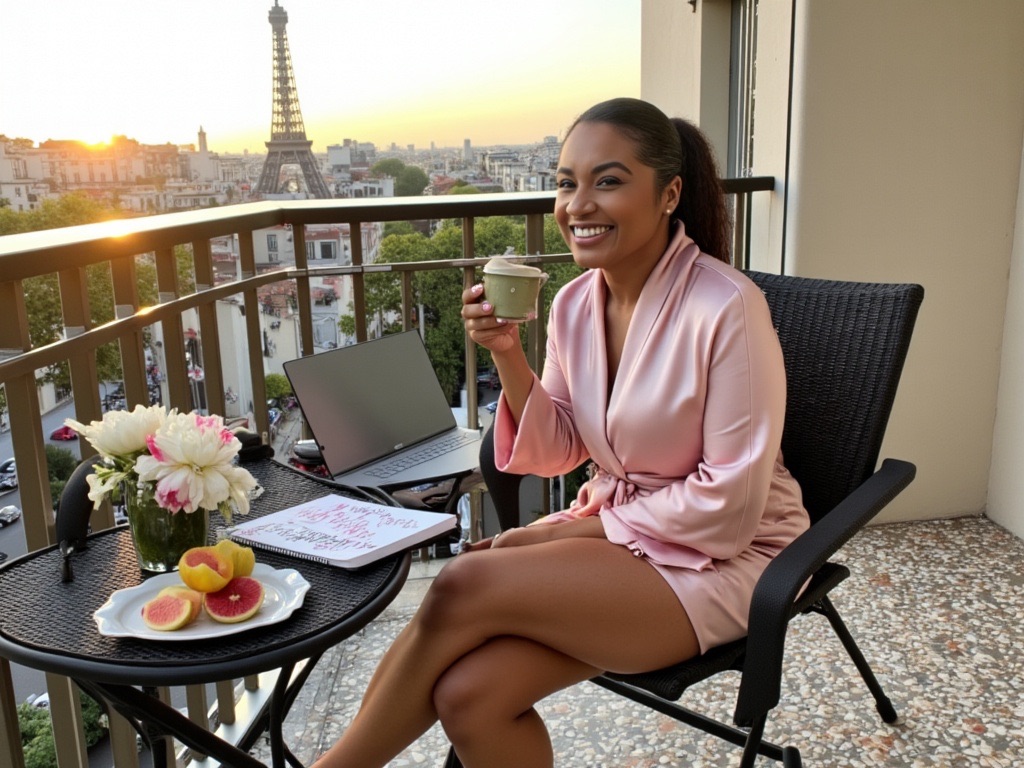
Hey, I’m Tianna
...............
I didn’t plan to become “the PCOS girl.” I planned to become a mom.
I was a NICU nurse, the one steady voice in a room full of alarms. I could hold a one-pound baby in one hand and chart with the other. I knew how to read monitors, calm panicked parents, and make tiny bodies feel safe.
But when it was my turn to carry life, the floor dropped out.
I lost my baby at six months.
There are before-and-after moments in life. That was mine. One day I was arguing about crib colors. The next I was in a hospital bed, staring at faces that had no answers. After that, nothing felt safe. Not my body. Not my timeline. Not the system I worked inside of every day.
They said it was PCOS. They said “try again.” They said “relax.” I tried. I did the kale, the clean eating, the supplements, the two-a-days at the gym. I prayed. I tracked. I peed on strips under bathroom lights like a detective looking for clues.
My body kept saying not today.
I hit a point where I couldn’t pretend it was fine. I spread my medical records across the floor like an old school map. That’s when it clicked: I wasn’t broken. I was lost. Nobody had taught me how to find ovulation in a PCOS body that doesn’t play by textbook rules. Nobody had taught me how to make my body feel safe enough to say yes again.
I built the method I needed.
I call it MapQuest Ovulation. It’s not cute branding. It’s how I found my way back. I learned to track the real clues my body was giving me—cervical mucus, temps, how my blood sugar moved after meals, how stress showed up in my sleep. I stopped hustling my hormones. I started building safety first.
That became the Safety Rewire. Because ovulation isn’t a willpower problem—it’s a safety problem. My body wasn’t going to release an egg while I lived on coffee and cortisol. So I rebuilt the basics: breakfast before caffeine, gentle walks after dinner, lights down earlier, breath that told my nervous system we’re okay. Not a Pinterest routine. A life I could actually live.
Cycles shortened. Signs got clear. Trust came back.
And with it came a mission.
I founded Love Served Warm to help women who look like me and live like me—high-achieving, carrying a lot, often in systems that don’t see us—get pregnant with PCOS without losing ourselves. My work blends science, safety, and story. I’m a nurse. I’m also a woman who’s cried on bathroom floors. Both matter here.
A few things that shape me
I became a nurse to keep my sister alive. My little sister Bree is my why. She taught me advocacy before I had the word for it. Later, I even went to law school because I thought I could fix the system that failed families like ours. What I learned is the system is running exactly as designed—which is why I built my own. One that keeps women safe. One that listens.
I believe your body is smart. It’s not sabotaging you. It’s protecting you. When it doesn’t feel safe, it will shut down ovulation. When it does feel safe, it will surprise you.
I believe in receipts over vibes. We track real signals. We make small changes that move big needles. We look for the proof—clear fertile signs, confirmed ovulation, cycles that keep time.
I believe healing has to fit a Tuesday. No punishments. No two-hour gym days. No food rules that make you scared of rice at your mother’s house. If your plan can’t hold under work, kids, faith, family—it’s not a plan. It’s a performance.
Who I serve
The women who find me are brilliant. They run homes, teams, group chats, and somehow still feel like their bodies are the one thing they can’t solve. Many are women of color who have been dismissed, rushed, or told IVF is the only path. Some have walked through loss and are terrified to hope again. All of them deserve safety, clarity, and a plan built for their real life.
What it looks like to work with me
We start with a conversation. No scripts. No shaming. I learn your story. We map where you are right now. We pick one lever to pull that your body can actually hold this week. We build rhythm. We track receipts. We keep going.
Inside my programs you’ll see:
MapQuest Ovulation. Find your square. Pull the right lever. Track the signal. One step at a time.
Safety Rewire. Big word, simple work: sleep that restores, food timing that steadies, movement that calms instead of punishes, nervous-system practices that make your body feel safe.
Pregnancy Prep in Real Life. Meals you can cook without a meltdown. Walks you can take with a podcast. Rhythms that work when life is life-ing.
What you won’t see: starvation plans, detox teas, or a coach who disappears between calls. I am here. We adjust in real time. We make it doable.
What clients say back
They tell me they confirmed ovulation for the first time in years. They tell me their cycles went from 60–70 days to 30–35. They tell me they saw two pink lines—and, for the first time, they trusted it. The win isn’t just the pregnancy. It’s the peace. It’s walking into the bathroom without bracing for blood. It’s hearing your body say yes and believing it.
If you’re here, I see you
Maybe you’re holding silent grief after another negative test. Maybe you’re scared to try again after loss. Maybe you’re just tired of being handed pills and told to relax. You’re not late. You’re not broken. You’re not alone.
You deserve a plan your Tuesday can hold—and a coach who can hold you through Tuesday.
If you want to start, start small
Eat before coffee. Take a 20-minute walk after your biggest meal. Dim the lights earlier tonight and let your exhale be longer than your inhale. Notice how your body feels when it’s not being rushed. That’s the beginning.
If you want me in your corner, I’m here
From PCOS to Pregnancy is my high-touch program for women who want a calm, body-safe path to ovulation and a pregnancy they can trust. If you’re ready, we’ll build it together.
And if you’re not ready yet, get the Baby-Ready Checklist. Try one shift this week. Send me your receipt when you feel it working.
I’m Tianna Trinidad. Nurse. Mama. Sister. Builder of systems that keep women safe. I made my own map when the old ones failed me. Now I hand it to you.
We’ll find your yes.
Ready to get started?
................
Join one of my online programs to get guidance for every step of your business journey!

From PCOS to Pregnancy
...............
A high-touch coaching program that helps high-achieving women with PCOS restore ovulation, balance hormones, and finally get pregnant naturally—without meds, IVF, or burnout protocols.
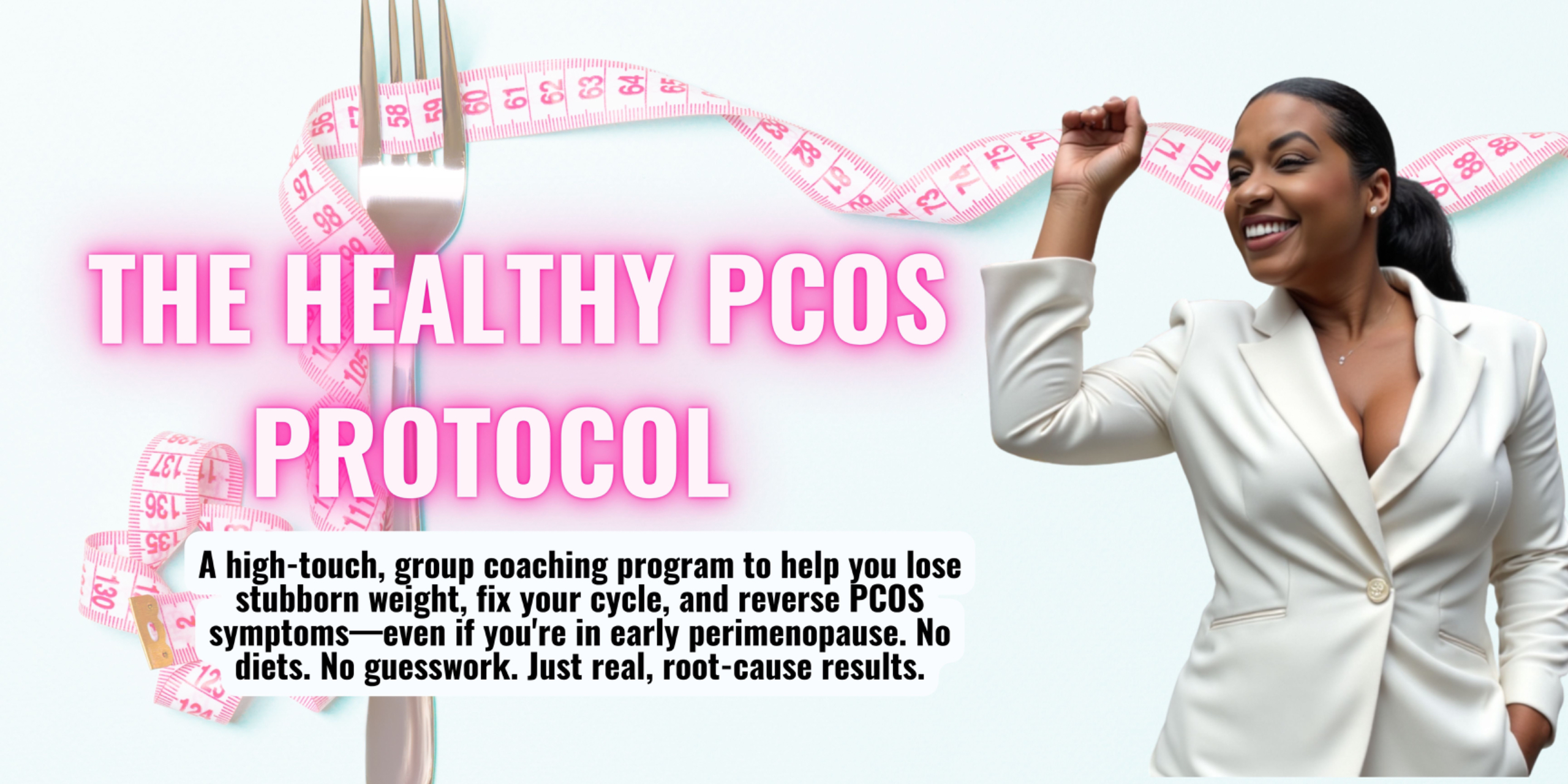
The Healthy PCOS Protocol
................
A 90-day group coaching program designed to reverse PCOS symptoms like weight gain, fatigue, and cravings, so you can feel energized, confident, and in control of your body again.

FREE Skool Community
...............
A free private community for high-achieving women with PCOS who are tired of being dismissed by doctors and guessing month after month. Inside, you’ll learn how to restore ovulation, balance hormones, and prepare your body for pregnancy, starting with my free 6-part course
Stay Connected
....................
Get my weekly PCOS playbook: quick tips, real talk, and baby-ready wins, no diets, no drama.